A quick guide to the many different watch types.
What type of watch is this?
So many watch types, so little time. Whether you’re buying your first watch or building a collection, understanding the different types of watches can help you choose the right timepiece for your lifestyle and tastes. Whilst many modern watches blend elements from several categories, most can be traced back to a few classic types. Want to know the difference between a field watch and a tool watch or what makes a watch a dress watch? This guide’s got you covered.
Quick links
Field Watch
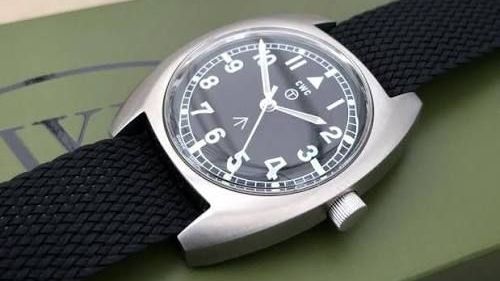
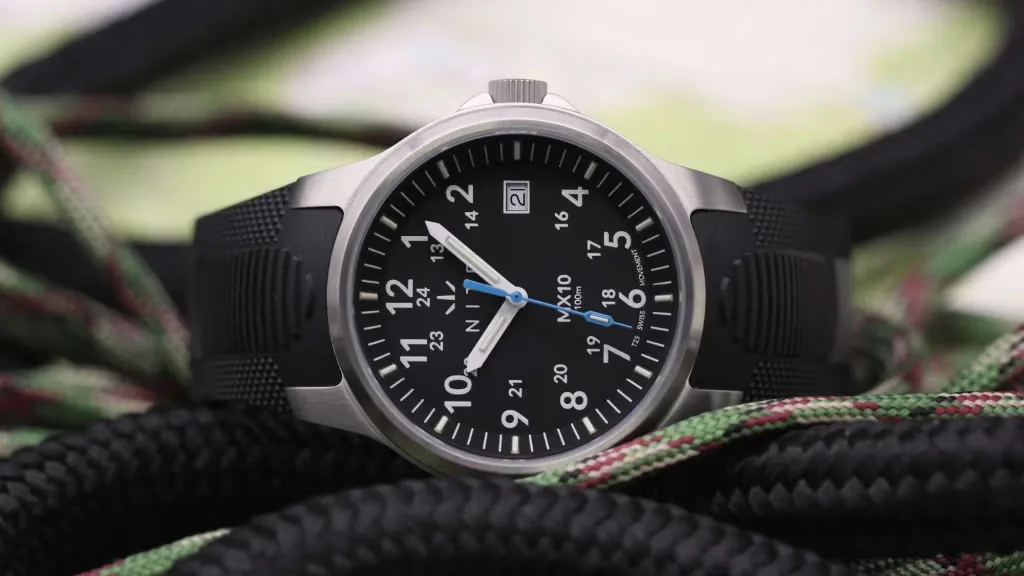
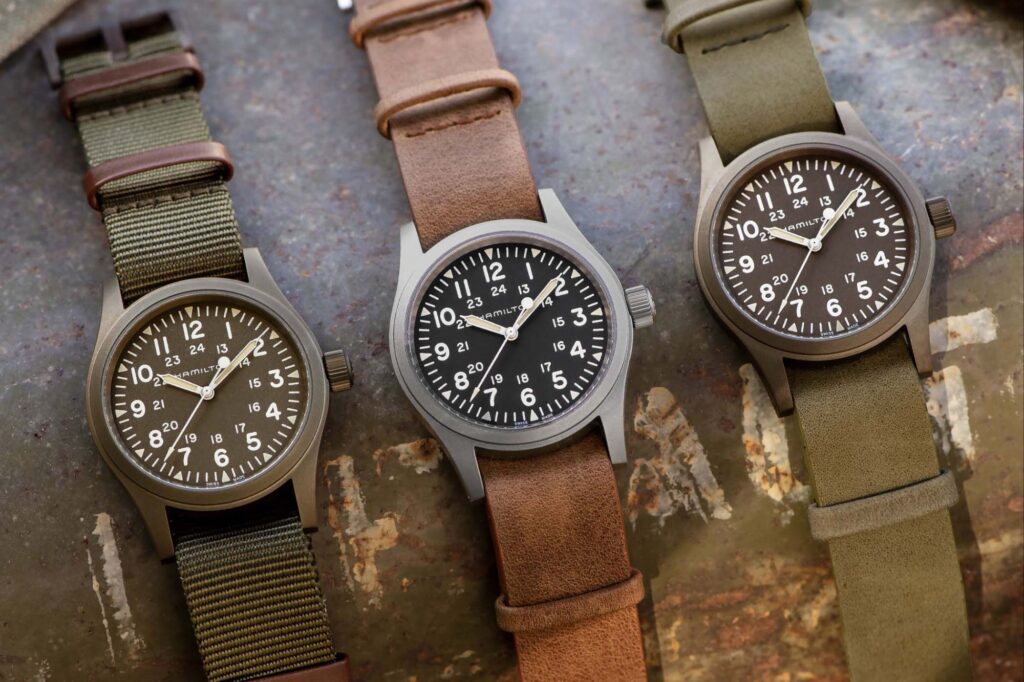
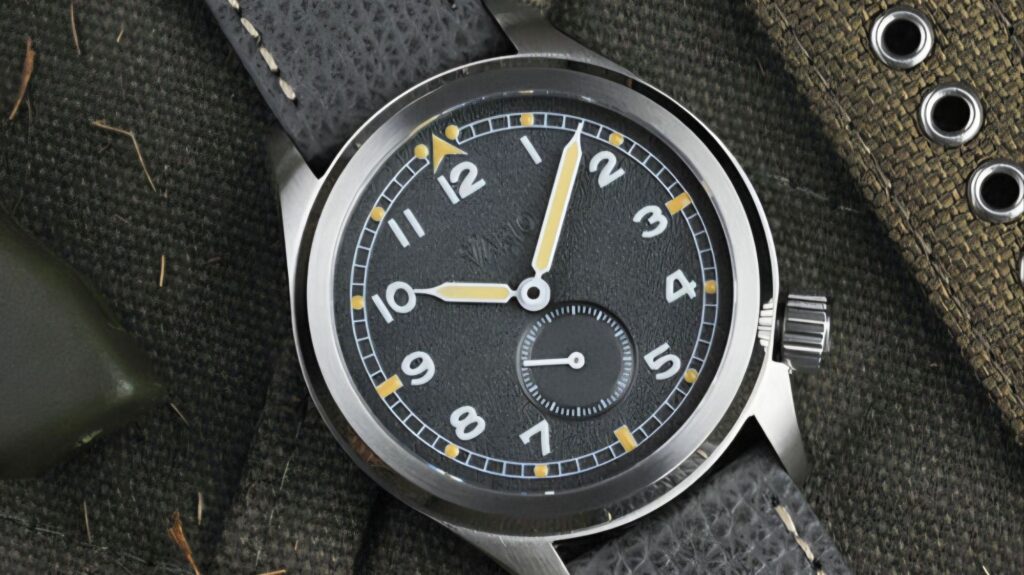
Field watches are built for reliability, legibility and durability in demanding conditions. These are the watches built to last and survive all that daily wear can throw at them.

History
Field watches originated as “trench watches” during World War I, when soldiers needed a faster and more practical alternative to pocket watches. Their durable design, featuring easy-to-read dials and protective cases, made them essential military tools and led to widespread use during World War II. Today, field watches retain their rugged, reliable characteristics, with improved water resistance and durability, while also serving as popular everyday timepieces.
Typical features
- Clean highly legible dials to ensure readability
- Minimal complications – no unnecessary clutter
- Compact case size usually between 36mm and 42mm
- Built to last – made from durable materials
- Water resistant and shock resistant
Outdoor activities, hiking and everyday wear.
Examples
Dress Watch
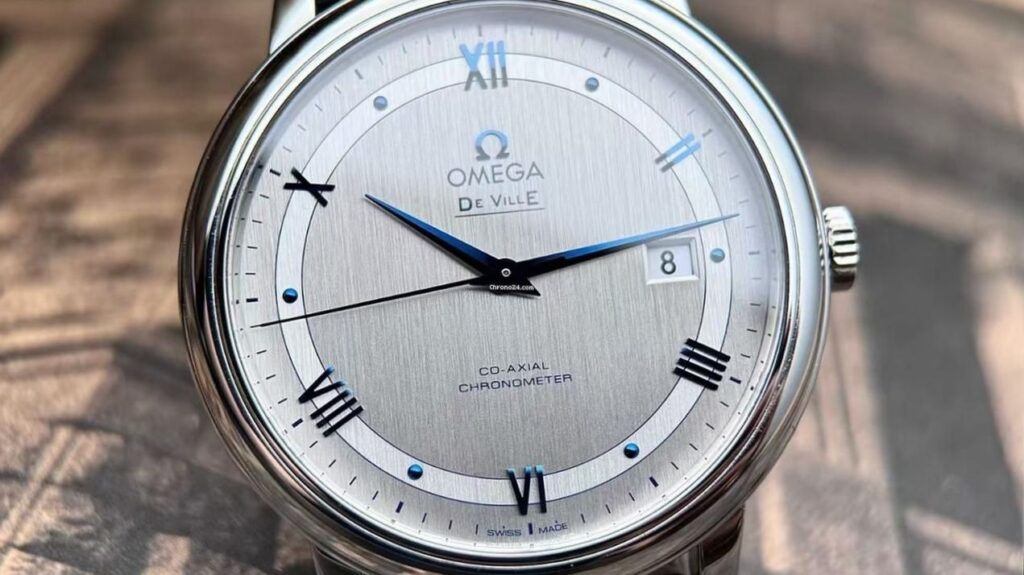
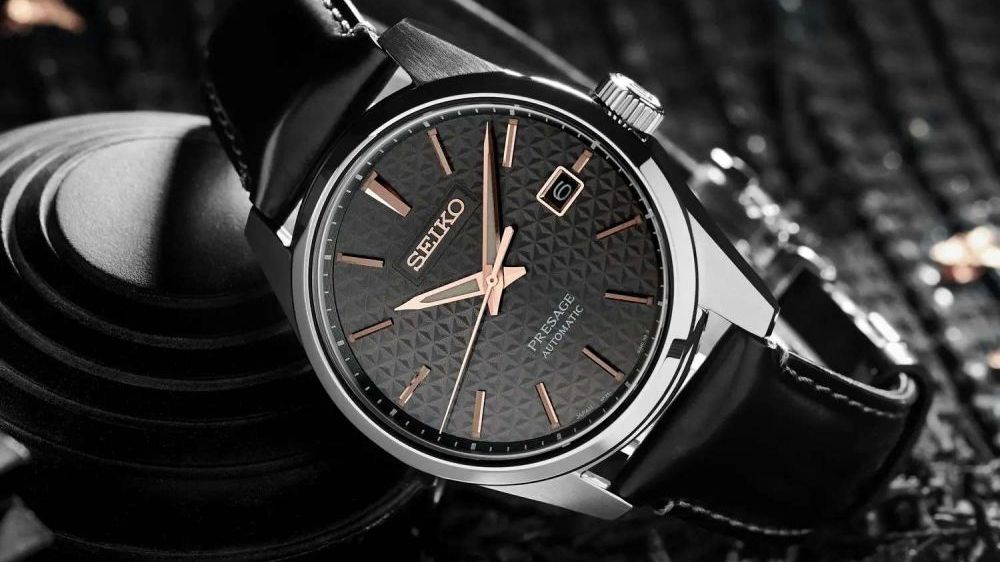
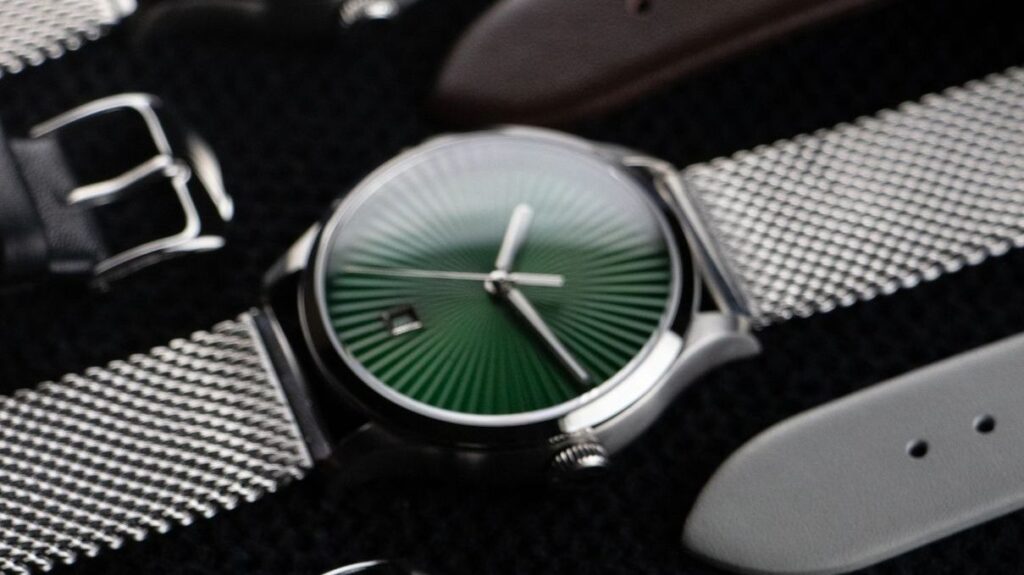
Dress watches are designed to complement formal attire. They prioritise elegance, simplicity and refinement over ruggedness or technical features.
History
Dress watches emerged in the early 20th century as wristwatches replaced pocket watches and became acceptable for formal wear. Popularised during the 1920s and 1930s, they were designed to be elegant and understated, featuring slim cases, simple dials, and refined materials. Although watch technology has evolved significantly, the dress watch has remained largely unchanged and continues to be valued for its timeless style and suitability for formal occasions.
Typical features
- Slim case profile
- Simple but attractive dial designs
- Minimal complications for a clean look.
- Precious metals (luxury) or polished finishes.
- Usually on a leather strap
Business wear, formal occasions, weddings and black-tie events.
Examples
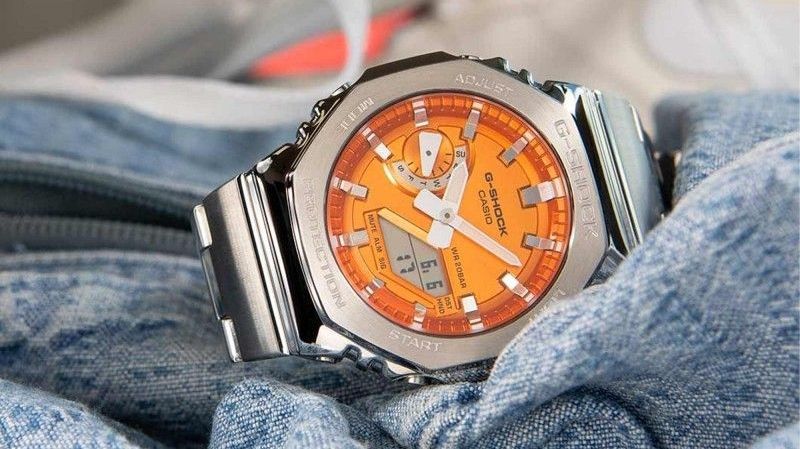
Sports Watch
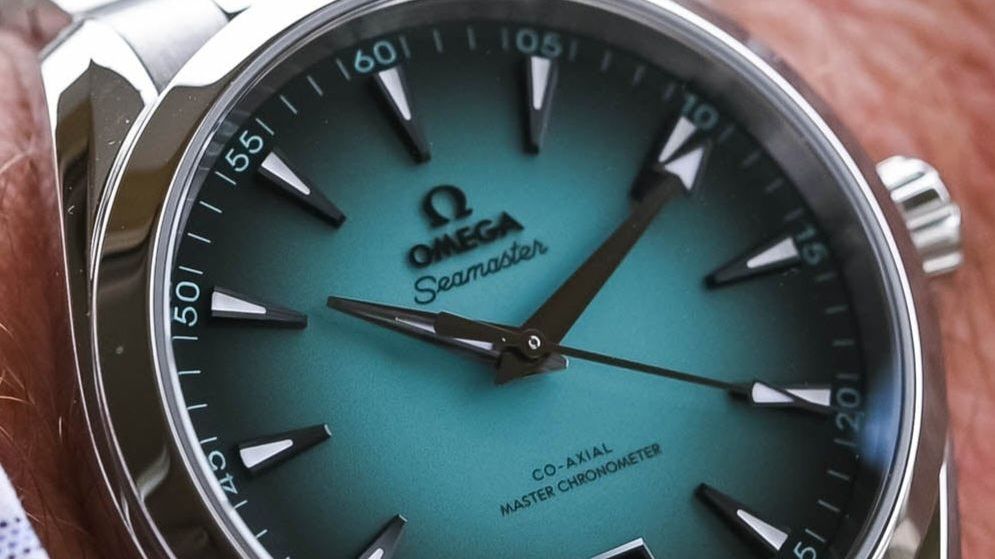
Sports watches are designed for active lifestyles and outdoor use. They prioritise durability, functionality, and performance over elegance, often featuring robust cases, enhanced water resistance, and practical functions such as chronographs, timers, or rotating bezels to withstand demanding conditions.
History
Sports watches developed alongside the rise of active lifestyles and outdoor pursuits, becoming especially popular in the 20th century as watchmakers began designing timepieces built for performance and durability. They were created to withstand demanding conditions, featuring rugged cases, high water resistance, and practical tools such as chronographs, timers, and rotating bezels. While technology has advanced significantly, sports watches continue to prioritise functionality, toughness, and versatility over formal elegance, making them ideal for athletic and everyday active use.
Typical features
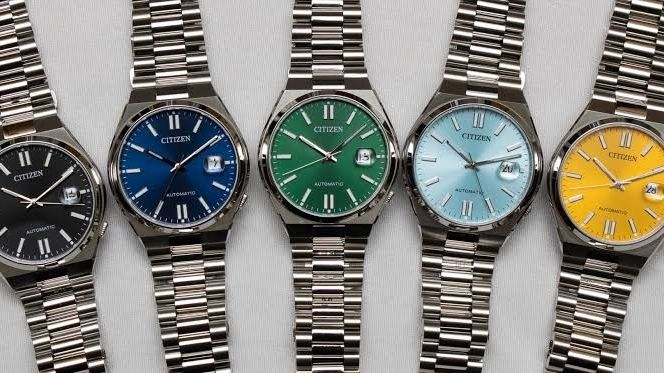
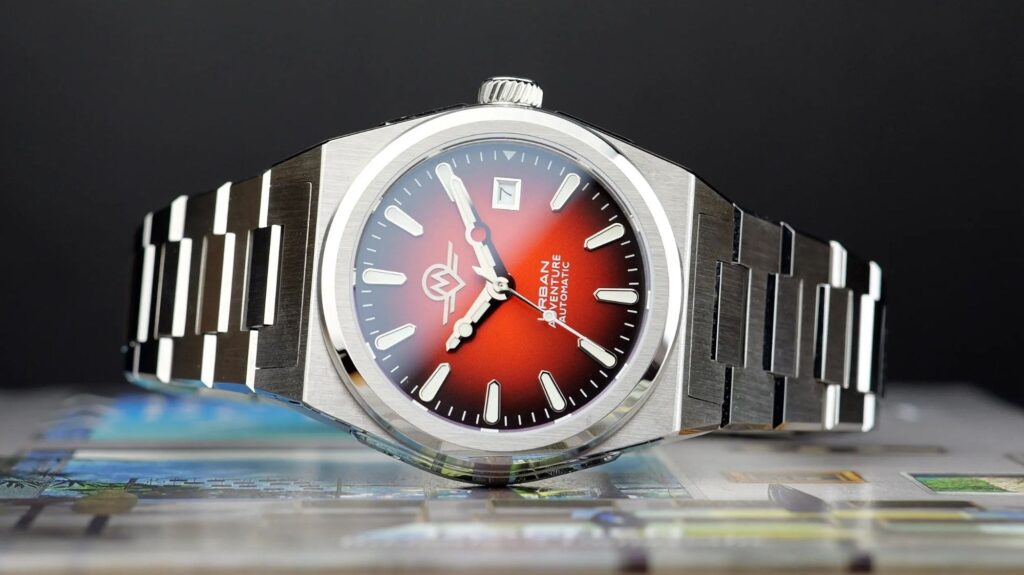
- Integrated metal bracelet
- Angular/Geometric case designs
- Mixed Surface Finishing for a luxury look
- Sporty yet elegant appearance
- Versatile Water resistance
Collectors seeking a versatile watch with a luxury look.
Examples
Diver Watch
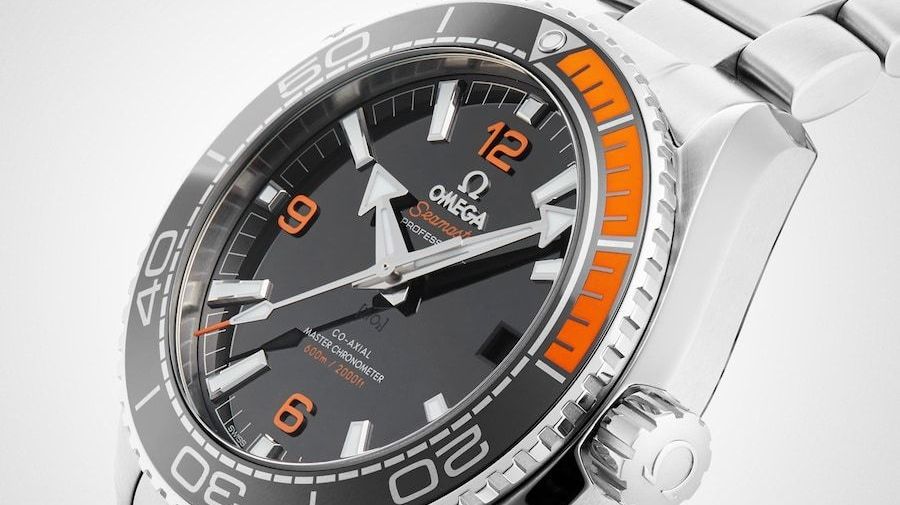
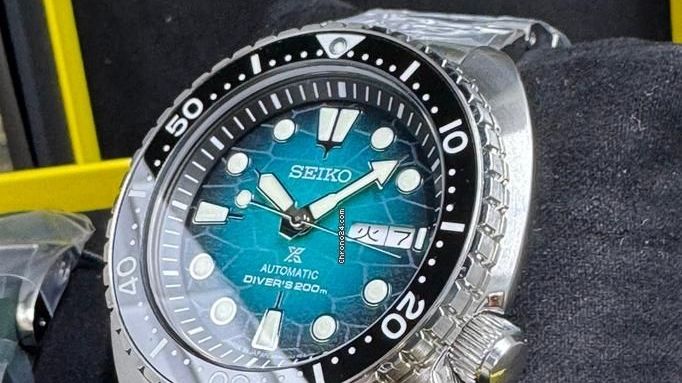
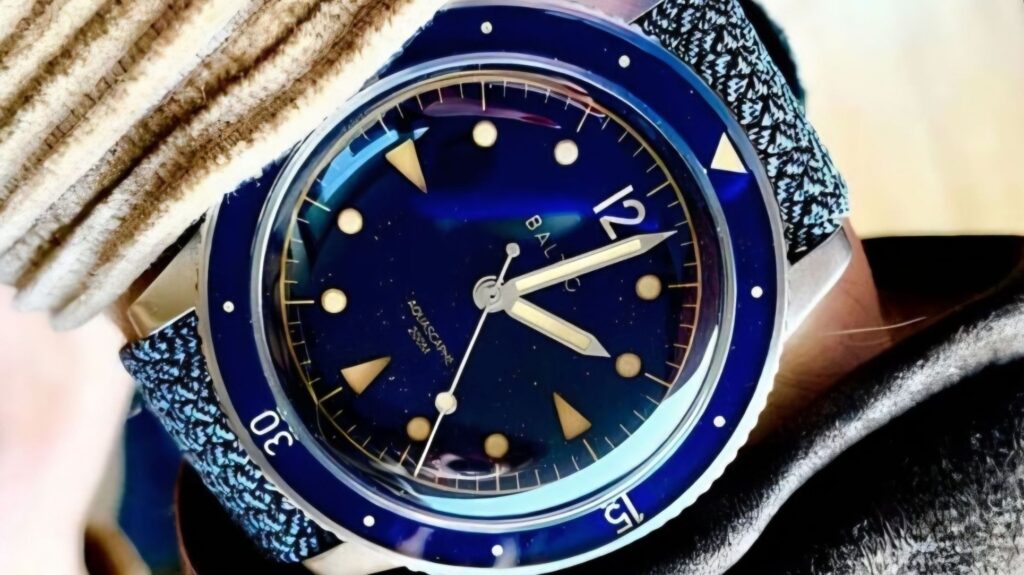
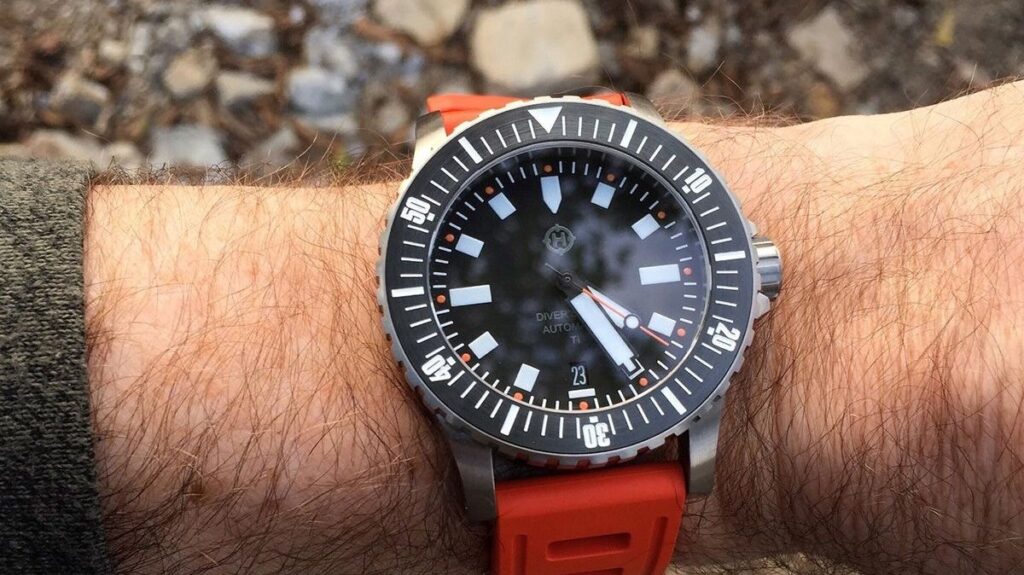
Diver watches are designed specifically for underwater use and professional diving, prioritising water resistance, durability, and clear legibility in low-light conditions. They typically feature highly water-resistant cases, unidirectional rotating bezels for tracking dive time, luminous markers for visibility underwater, and robust construction to withstand high pressure and harsh marine environments.
History
Diver watches developed alongside the rapid advancement of underwater exploration and commercial diving, exploding in popularity during the mid-20th century as watchmakers raced to build highly specialised tools for survival beneath the surface. Engineered to withstand intense hydrostatic pressure, these timepieces introduced revolutionary features that became industry standards: ultra-sealed cases, screw-down crowns, high-legibility luminous dials, and unidirectional rotating bezels to track elapsed dive time and oxygen reserves. While modern diving computers have largely taken over technical depth calculations, the classic diver watch remains a pinnacle of mechanical over-engineering—prioritising absolute water resistance, fail-safe legibility, and rugged utility that transitions seamlessly from ocean depths to everyday wear.
Typical features
- Solid Water resistance (often 200m)
- Rotating timing bezel
- High legibility
- Luminous hands and markers
- Screw down crown
Daily wear, sports, swimming, outdoor activities and, of course, diving.
Examples
Racing Watch
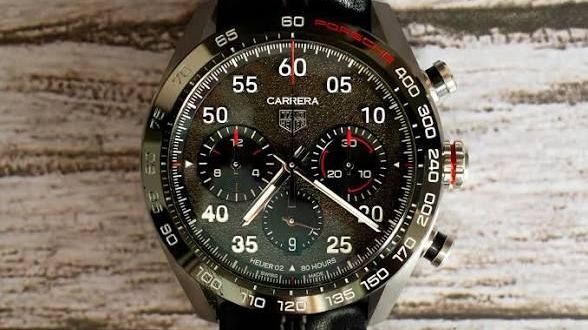
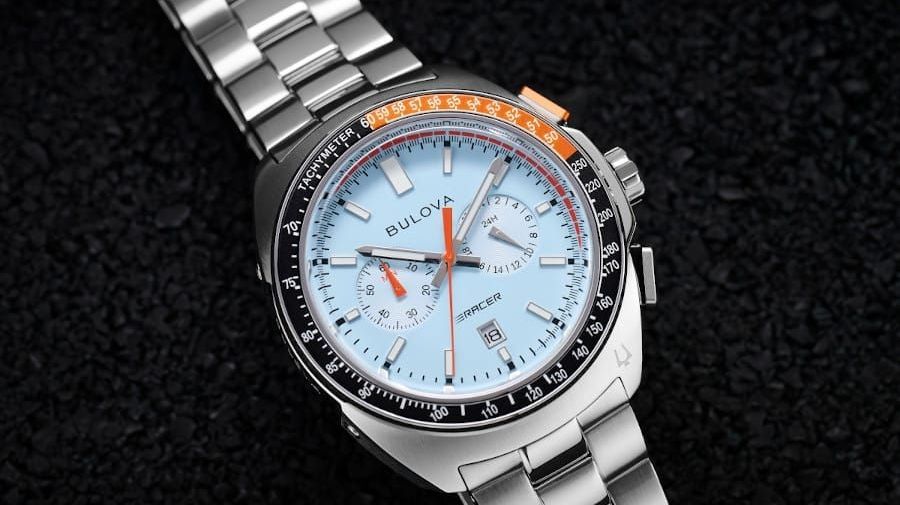
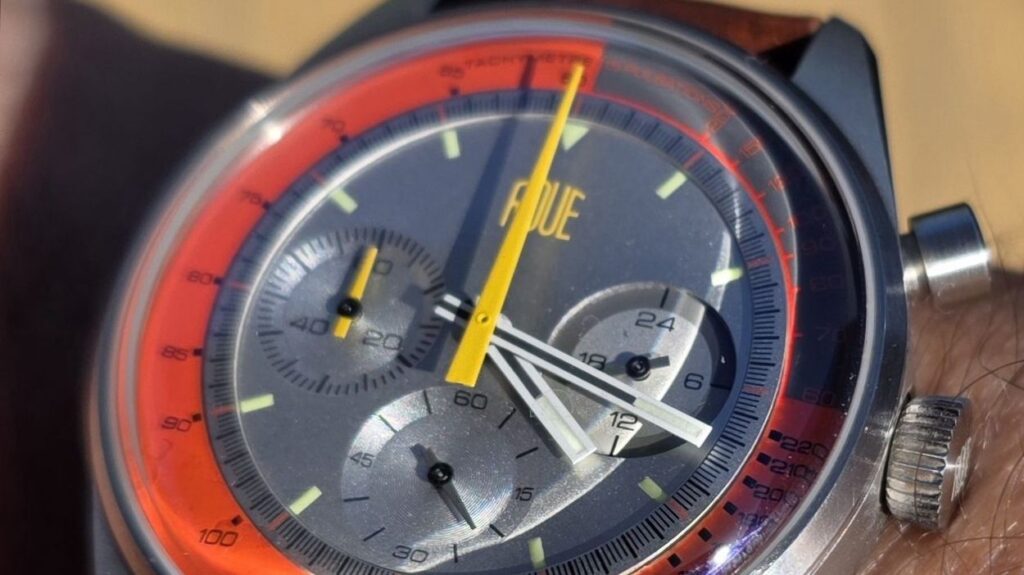
Racing watches are designed specifically for motorsport and high-speed performance, prioritising precision time-tracking, rapid readability, and athletic styling. They typically feature built-in chronographs (stopwatch functions) to measure lap times, a tachymeter scale on the bezel to calculate speed based on distance, and high-contrast dials that allow drivers to read intervals at a glance. Built to withstand the vibration and intense environments of the track, they combine mechanical utility with a sleek, automotive-inspired aesthetic suitable for both professional racing and everyday wear.
History
Racing watches developed alongside the thrilling rise of motor racing and professional track timing, exploding in popularity during the mid-20th century as watchmakers raced to build high-precision tools for drivers chasing fractions of a second. Engineered to withstand the intense vibrations and high g-forces of the cockpit, these timepieces introduced specialised features that defined the eras of classic motorsport: integrated chronographs (stopwatches) to clock lap times, high-contrast dials for split-second readability at blistering speeds, and tachymeter scales to calculate velocity over a fixed distance. While digital track timing and advanced telemetry have largely taken over competitive racing telemetry, the classic racing watch remains a symbol of mechanical performance—prioritising precise time-tracking, rapid legibility, and a sleek, automotive-inspired utility that transitions seamlessly from the tarmac to everyday wear.
Typical features
- Tachymeter bezel
- Chronograph movement
- High contrast dial
- Motorsport inspired styling
Car enthusiasts and sports watch collectors.
Examples
Tool Watch
Tool watches are designed specifically for demanding professional environments and utilitarian tasks, prioritising absolute functionality, extreme durability, and pure mechanical reliability over decorative luxury. They typically feature robust, anti-magnetic cases, highly legible and unadorned dials, and gruelling, purpose-built complications tailored to specific professions, such as GMT hands for pilots or slide-rule bezels for engineers. Built to withstand impact, temperature extremes, and harsh conditions without failing, they combine rugged, field-tested engineering with a minimalist, form-follows-function aesthetic suitable for both grueling fieldwork and everyday wear.
History
Tool watches developed alongside the expansion of industrialisation, military operations, and specialised professions, exploding in popularity during the early to mid-20th century as watchmakers raced to build rugged, purpose-driven instruments for individuals operating in demanding environments. Engineered to withstand extreme conditions without failing, these timepieces introduced hard-wearing innovations that defined the era of mechanical utility: heavy-duty anti-magnetic shields, robust shock-absorption systems, scratch-resistant crystals, and highly legible, unadorned dials designed strictly for rapid readability. While modern digital devices, smart tech, and specialised electronic sensors have largely taken over technical field calculations, the classic tool watch remains a symbol of pure utilitarian engineering—prioritising absolute reliability, structural toughness, and a form-follows-function aesthetic that transitions seamlessly from gruelling fieldwork to everyday wear.
Typical features
- Highly Functional Design
- Specialized Complications
- Durable Construction
- Excellent Legibility
Professionals, Adventurers, Enthusiasts.
Examples
Pilots Watch
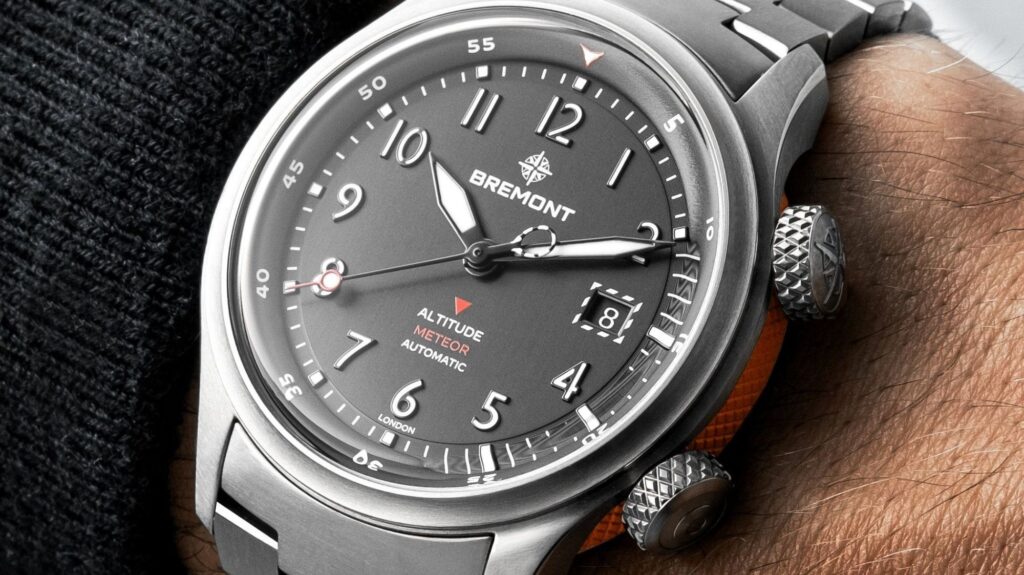
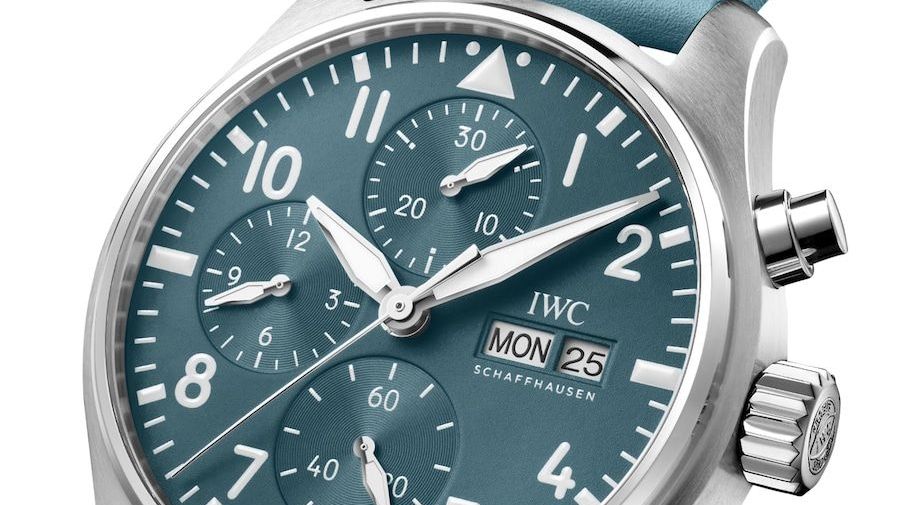
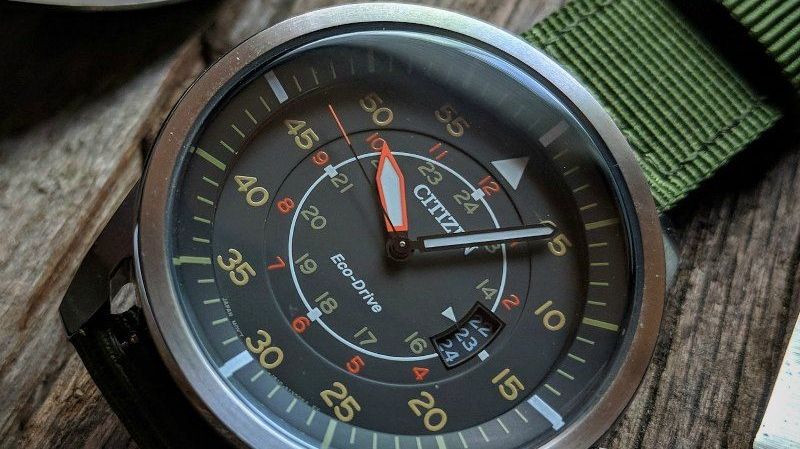
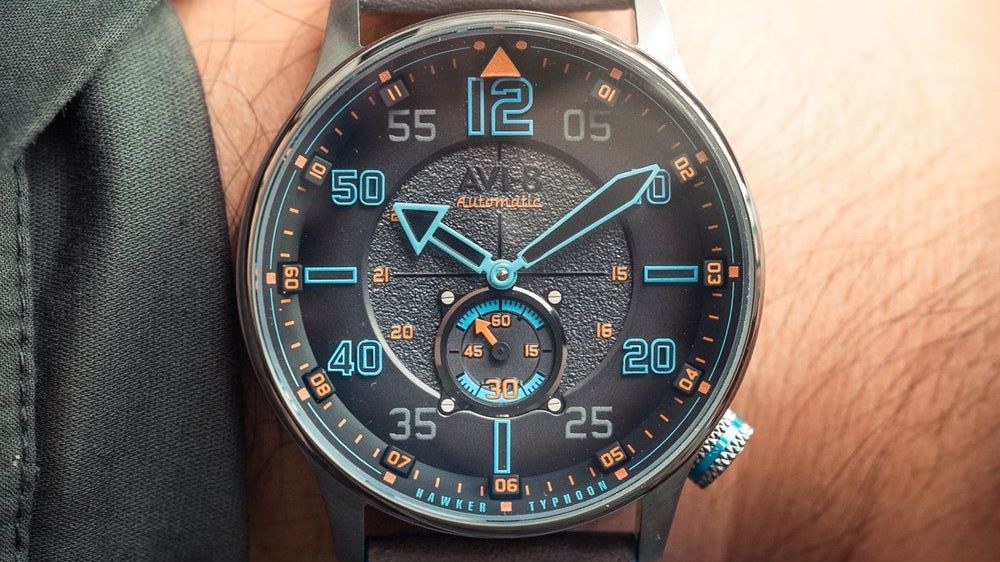
Pilot watches are designed specifically for aviation and cockpit utility, prioritising split-second legibility, practical navigation tools, and reliable performance under pressure. They typically feature oversized crowns for easy adjustment with flight gloves, high-contrast dials with large luminous markers for rapid reading in low light, and specialised flight functions such as dual-time tracking or slide-rule bezels for manual calculations. Built to withstand rapid altitude shifts and magnetic interference, they combine historical instrument styling with a bold, functional aesthetic suitable for both the cockpit and everyday wear.
History
Pilot watches developed alongside the pioneering era of aviation and military flight, exploding in popularity during the early to mid-20th century as watchmakers raced to build crucial cockpit instruments for navigation and survival in the skies. Engineered to withstand rapid pressure changes, cold temperatures, and cockpit magnetic fields, these timepieces introduced specialised features tailored to the cockpit: oversized crowns for easy adjustment while wearing thick flight gloves, highly legible, high-contrast dials with luminous markings for night operations, and advanced complications like GMT hands for tracking multiple time zones or slide-rule bezels for manual flight calculations. While modern digital avionics and GPS systems have replaced the need for mechanical backup instruments, the classic pilot watch remains an icon of aviation history—prioritising split-second legibility, practical functionality, and a commanding, instrument-inspired design that transitions seamlessly from the flight deck to everyday wear.
Typical features
- Large easy to read dials
- Oversized crown
- High contrast numerals
- Aviation-Specific Complications – GMT or flyback Chronograph
- 12 O’Clock Orientation Triangle
Travel, Aviation enthusiasts and casual wear.
Examples
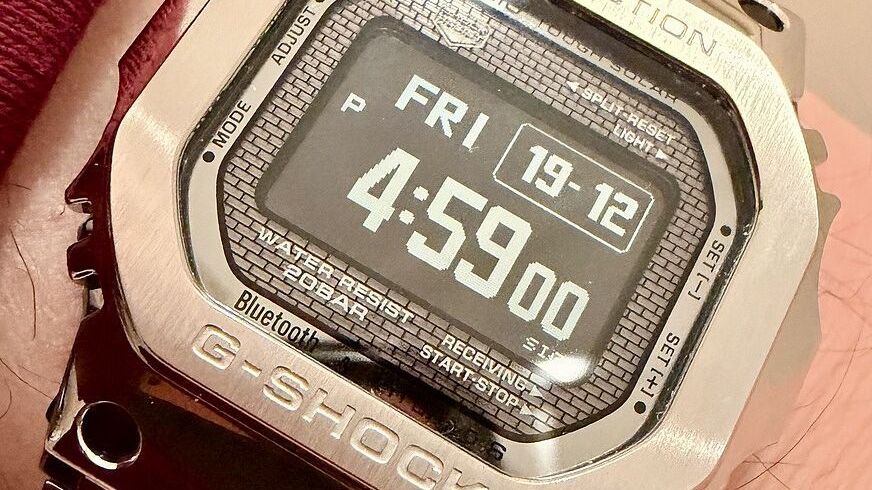
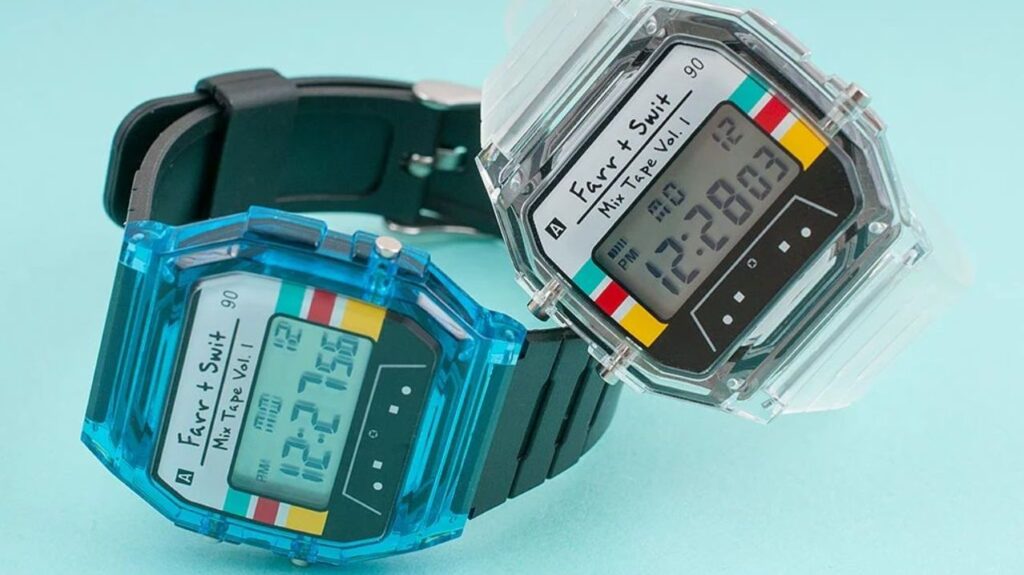
Digital Watch
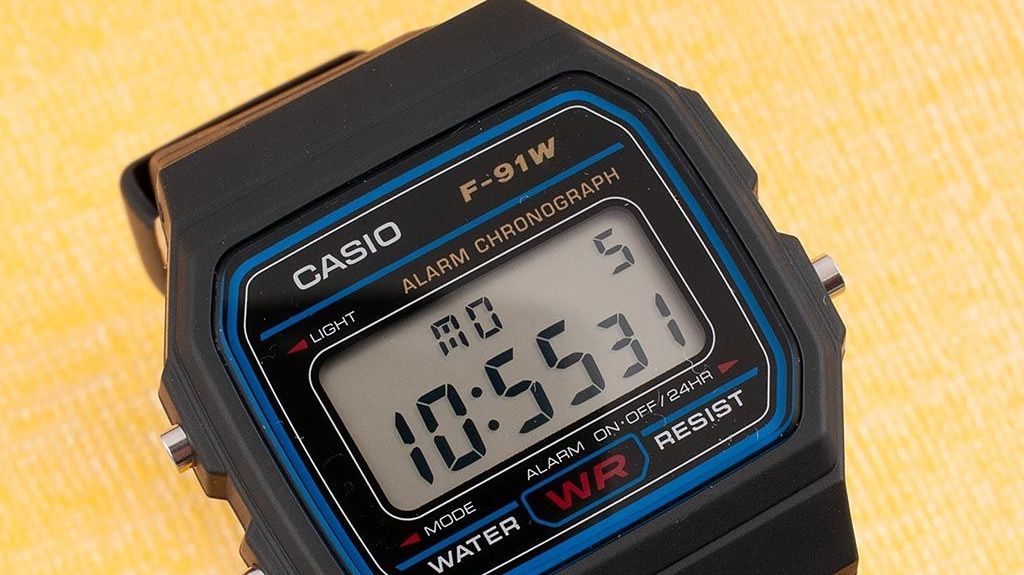
Digital watches are designed for optimal practicality, modern convenience, and everyday versatility, prioritising precise electronic accuracy, multi-functional utility, and exceptional shock resistance. They typically feature clear, easy-to-read electronic displays (such as LCD or LED screens) and a wide array of built-in digital tools, including customizable alarms, multi-lap stopwatches, countdown timers, and automatic calendars. Built with durable, lightweight materials like resin or stainless steel, they combine highly accessible, low-maintenance technology with a casual, utilitarian aesthetic suitable for both intense physical activity and everyday wear.
History
Digital watches developed alongside the rapid rise of the microelectronic revolution and consumer technology, exploding in popularity during the late 20th century as watchmakers raced to build unprecedentedly precise, multi-functional timepieces for a fast-paced world. Engineered to deliver flawless quartz accuracy without the fragility of traditional mechanical gears, these timepieces introduced cutting-edge electronic features that redefined daily timekeeping: instant-read LCD or LED displays, integrated circuits powering customizable alarms and countdown timers, and built-in electro-luminescent backlights for flawless nighttime visibility. While smartphones and advanced smartwatches have largely taken over basic electronic tracking, the classic digital watch remains a symbol of retro-futuristic style and utilitarian durability—prioritising grab-and-go convenience, extreme shock resistance, and a lightweight, low-maintenance design that transitions seamlessly from rugged outdoor adventures to casual everyday wear.
Typical features
- Electronic Digital Display (LCD or LED)
- On-Demand Backlighting
- Advanced Digital Complications – (Alarms, Stopwatch, World times)
- Unmatched Quartz Accuracy
- Shock & Vibration Resistance
Sports, Work and casual daily wear.
Examples
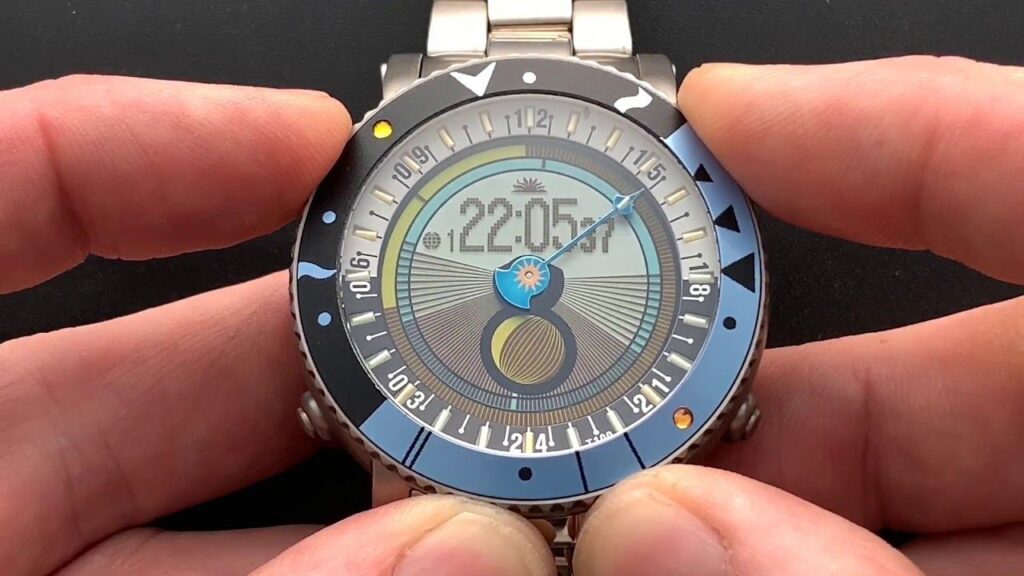
Ana-Digital Watch
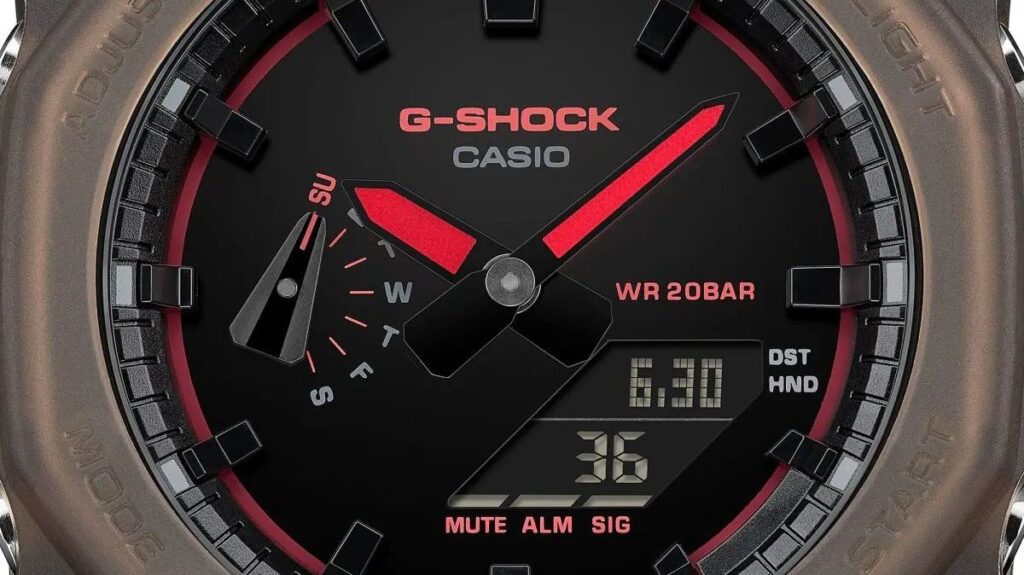
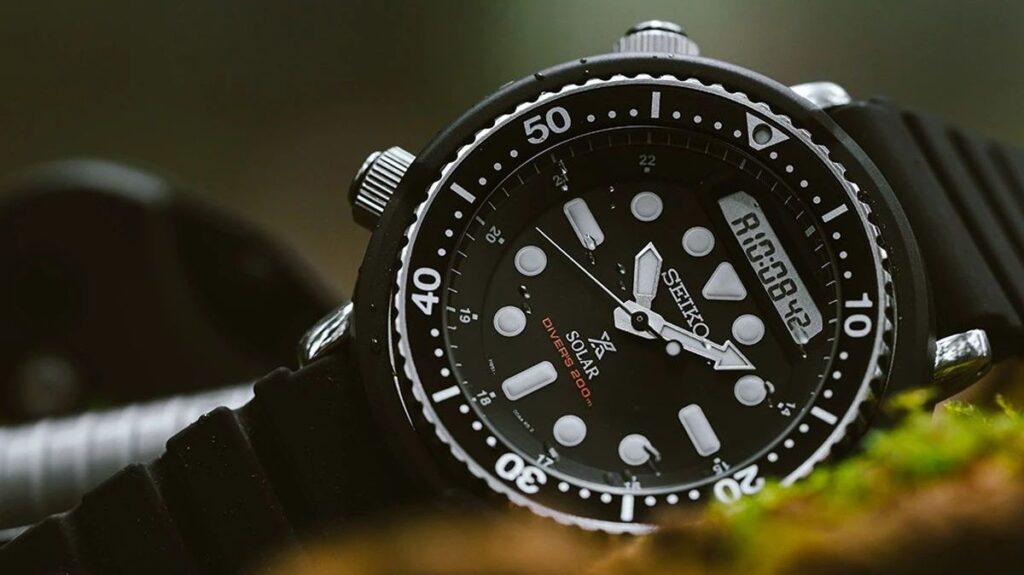
Ana-digital watches are designed for ultimate operational versatility and hybrid functionality, prioritising the quick glanceability of traditional hands alongside the multi-functional precision of a digital screen. They typically feature a dual-display interface that combines a classic analogue dial with integrated LCD or LED windows, offering the best of both worlds: immediate time-telling plus instant access to digital tools like world time, multiple alarms, stopwatches, and background illumination. Built to be highly robust and adaptable, they combine a complex, tech-forward aesthetic with a rugged, multi-purpose utility suitable for both demanding outdoor environments and everyday wear.
History
Ana-digital watches developed alongside the push for multi-functional utility and the evolution of hybrid quartz technology, exploding in popularity during the late 20th century as watchmakers raced to combine the intuitive glanceability of traditional hands with the precise feature-depth of electronic screens. Engineered to provide maximum operational versatility in high-stakes environments like military aviation and deep-sea diving, these timepieces introduced innovative dual-display interfaces that redefined hybrid tool watches: physical analogue hands sweeping over integrated LCD windows, synchronised dual-time zone tracking, and multi-function crowns or pushers capable of instantly activating alarms, stopwatches, and digital compasses. While fully connected smartwatches have largely taken over advanced data tracking, the classic ana-digital watch remains a symbol of rugged, tech-forward engineering—prioritising instant readability, multi-layered functionality, and an adaptable, instrument-inspired utility that transitions seamlessly from demanding field missions to everyday wear.
Typical features
- Analogue hands and digital screen
- Digital Functions like Alarm, stopwatches or timers.
- Dual time display
- Reliable Quartz movements.
Users who want practical features without giving up a traditional watch appearance.
Examples
Skeleton Watch
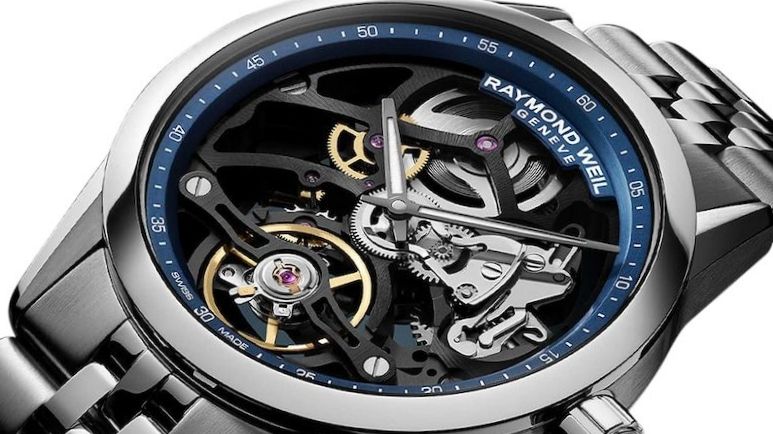
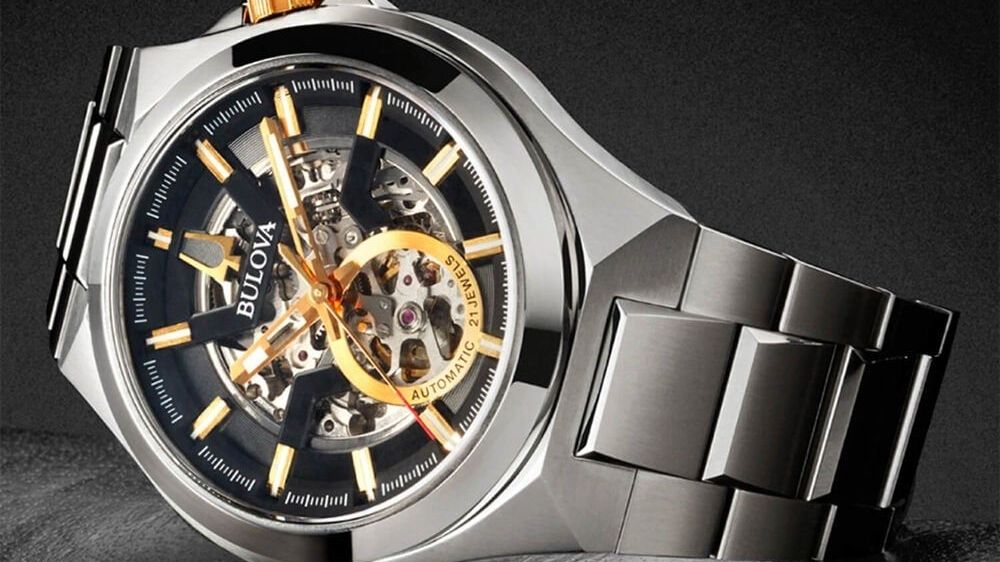
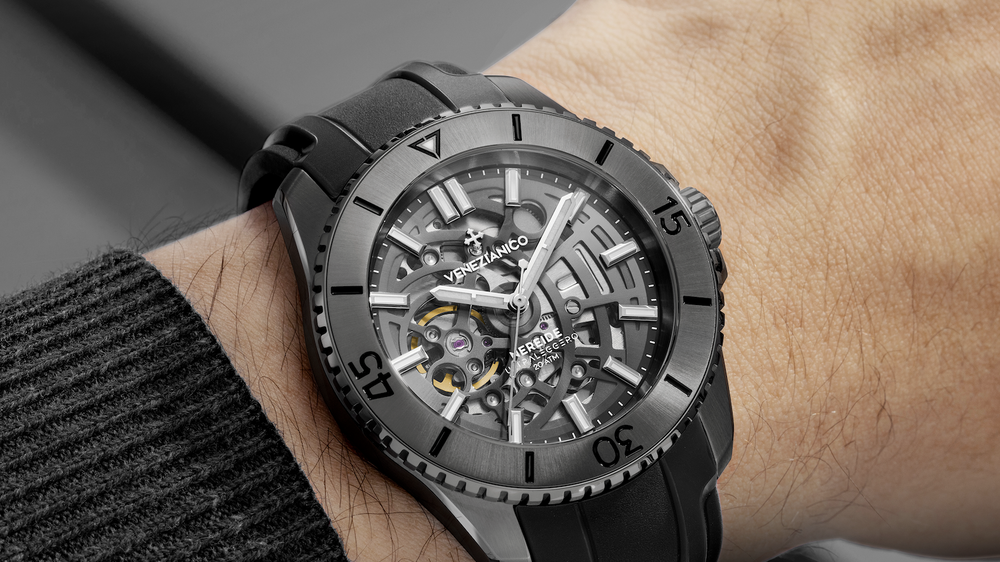
Skeleton watches are designed specifically to showcase the artistry of mechanical horology, prioritising intricate craftsmanship, visual depth, and captive engineering over traditional dials. They typically feature meticulously cutaway dials and movements where all non-essential metal has been removed, revealing the mesmerising dance of the balance wheel, gears, and mainspring beneath sapphire crystals. Built to transform a timekeeping instrument into a wearable work of art, they combine classic mechanical tradition with a striking, avant-garde aesthetic that highlights the sheer complexity of the watch’s inner life for everyday appreciation.
History
Skeleton watches developed alongside the renaissance of mechanical horology and high-end artisanal craftsmanship, exploding in popularity during the late 20th and early 21st centuries as watchmakers raced to transform traditional timekeeping into a dramatic, visual celebration of the micro-mechanical arts. Engineered to reveal the hidden universe ticking beneath the dial, these timepieces introduced revolutionary techniques in haute horlogerie: meticulously piercing and hollowing out bridges, mainplates, and wheels to strip away all non-essential metal without compromising the structural integrity of the movement. While modern smartwatches and quartz technology have largely taken over practical time-tracking, the classic skeleton watch remains a symbol of pure horological romance—prioritising mesmerising visual depth, complex open-work architecture, and a striking, avant-garde aesthetic that transforms a functional gear train into a wearable piece of three-dimensional art for everyday appreciation.
Typical features
- Open worked dial
- Visible movement and components
- Decorative finishing and engravings
- Mechanical or automatic movement
- Emphasis on aesthetics over practicality.
Collectors who appreciate watchmaking artistry and mechanical engineering.
Examples
The final four watch types could be considered complications, but I felt they had enough about them to be considered their own type of watch, and they could easily fall into some of the other categories.
GMT Watch
GMT watches are designed specifically for aviation, frequent travel, and global tracking, prioritising tracking multiple time zones simultaneously, high legibility, and an iconic, adventurous aesthetic. They typically feature an additional, distinct hour hand that circles the dial once every 24 hours alongside a rotating 24-hour bezel, allowing the wearer to monitor home and local times across continents at a single glance. Built to withstand long-haul travel across different hemispheres, they combine sophisticated mechanical engineering with a highly versatile, instrument-focused layout that transitions effortlessly from airline cockpits to casual everyday wear.

History
GMT (Greenwich Mean Time) watches developed alongside the dawn of commercial aviation and the jet age, exploding in popularity during the mid-1950s as watchmakers raced to solve a novel medical and physiological problem: jet lag and time zone disorientation for pilots crossing multiple meridians. Originally commissioned by Pan American World Airways (Pan Am) and famously developed by Rolex with the GMT-Master, these timepieces introduced a crucial mechanical solution to tracking dual locations at once. By linking a dedicated 24-hour hand with a bi-colored bezel, watchmakers allowed pilots to keep a permanent lock on their home base or Greenwich Mean Time while adjusting the main hands to local airport zones. While digital smartphone clocks and connected devices have largely taken over automatic worldwide synchronisation, the classic mechanical GMT watch remains an enduring symbol of aviation romance and high-end engineering—prioritising tracking multiple locations on a single physical dial, robust casing, and an elite, globetrotting utility that transitions seamlessly from corporate boardrooms to casual everyday travel.
Typical features
- The 4th “GMT” Hand
- Rotating 24-Hour Bezel
- Two-Tone “Day/Night” Bezel Insert
- “Flyer” vs. “Caller” Movement Mechanics
- High-Contrast Travel Dial Layout
Pilots, commercial frequent flyers, digital nomads managing remote global teams, and collectors who love the romantic, jet-age history of global navigation.
Examples


Chronograph Watch
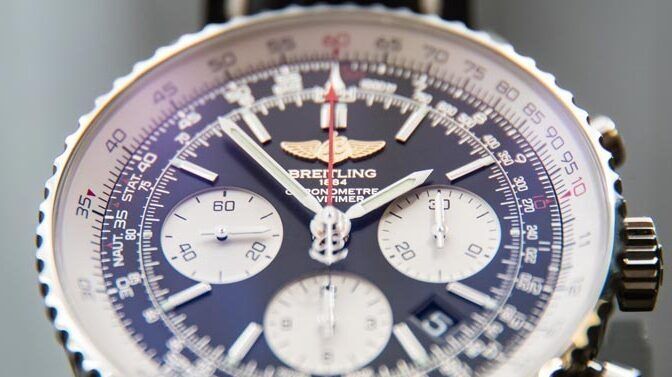
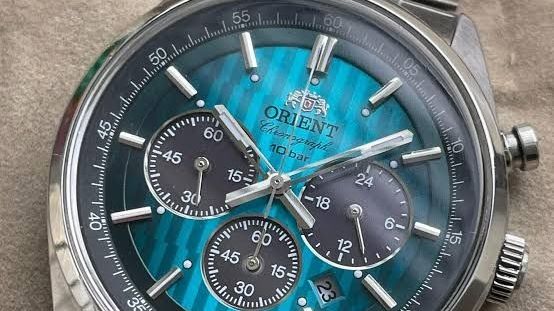
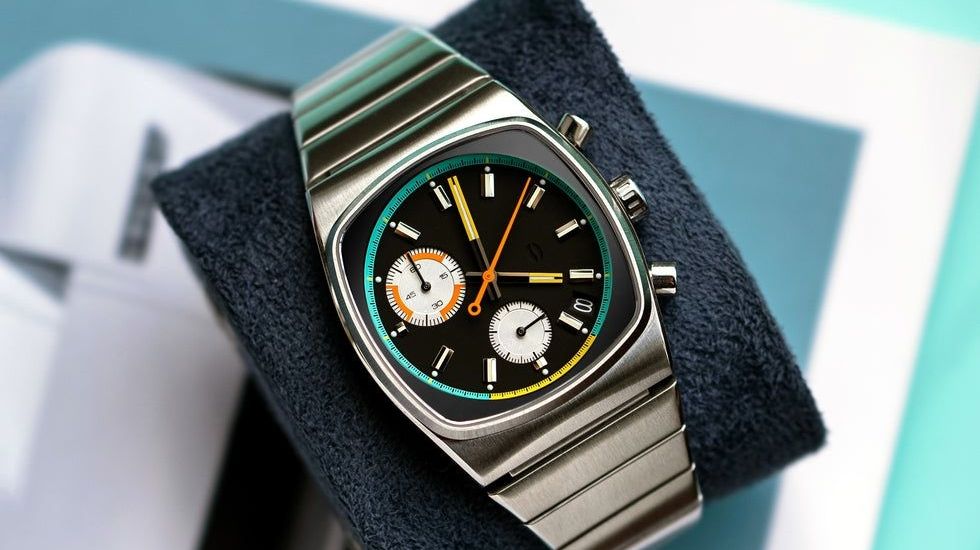
Chronograph watches are designed specifically for precision event timing, active tracking, and high-performance functionality, prioritizing measurable time intervals, mechanical complexity, and a sporty, instrument-driven style. They typically feature a distinct multi-register dial with specialized sub-dials to track elapsed seconds, minutes, and hours independently of the main time display. Driven by dedicated side pushers flanking the crown, they combine analytical utility with an iconic, technical aesthetic that balances intricate mechanical capability with versatile everyday wear.
History
Chronograph watches developed alongside the rapid expansion of horse racing, scientific astronomy, and early aviation, exploding in popularity during the mid-20th century as watchmakers raced to build portable, high-precision timing devices for industrial, sports, and military arenas. Originally invented by Nicolas Rieussec in the 1820s to log racetrack intervals, the chronograph evolved through rigorous innovation into an indispensable manual tool for pilots, astronauts, and racing drivers navigating high-stakes environments. By integrating a dedicated stopwatch mechanism directly onto the traditional watch movement, watchmakers created an interactive instrument capable of measuring speed, distance, or medical pulses on the fly. While modern digital telemetries, electronic track systems, and atomic smartphone clocks have largely taken over competitive sports timing, the classic mechanical chronograph remains an enduring symbol of engineering mastery—prioritising tactile, hands-on operation, rich dial depth, and an athletic utility that transitions seamlessly from competitive fields to everyday wear.
Typical features
- Dedicated Sub-dials (Registers)
- Tactile Side Pushers
- Specialized Outer Scales tachymeter, telemeter, or a pulsometer
- High-Contrast Hand Coloration
- Intricate Dial Real Estate
Sports fans, engineering purists, and collectors who value an interactive, multi-layered mechanical interface that they can physically start, stop, and reset.
Examples
World Timer Watch
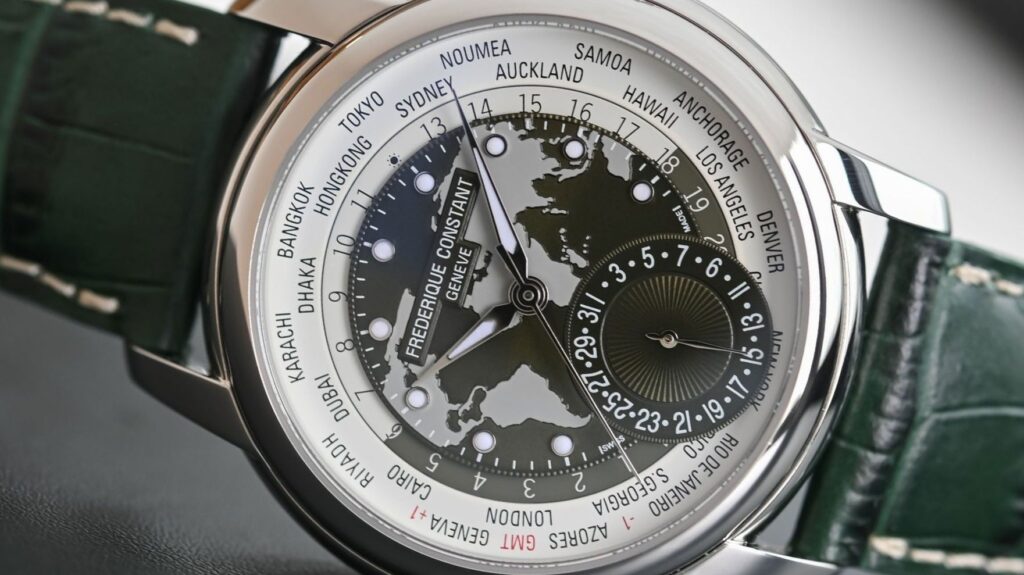
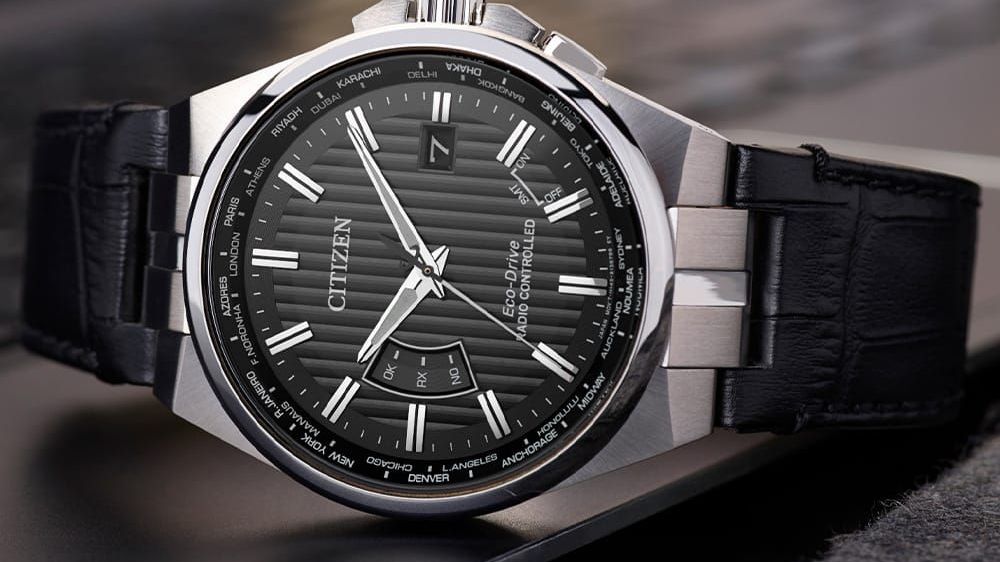
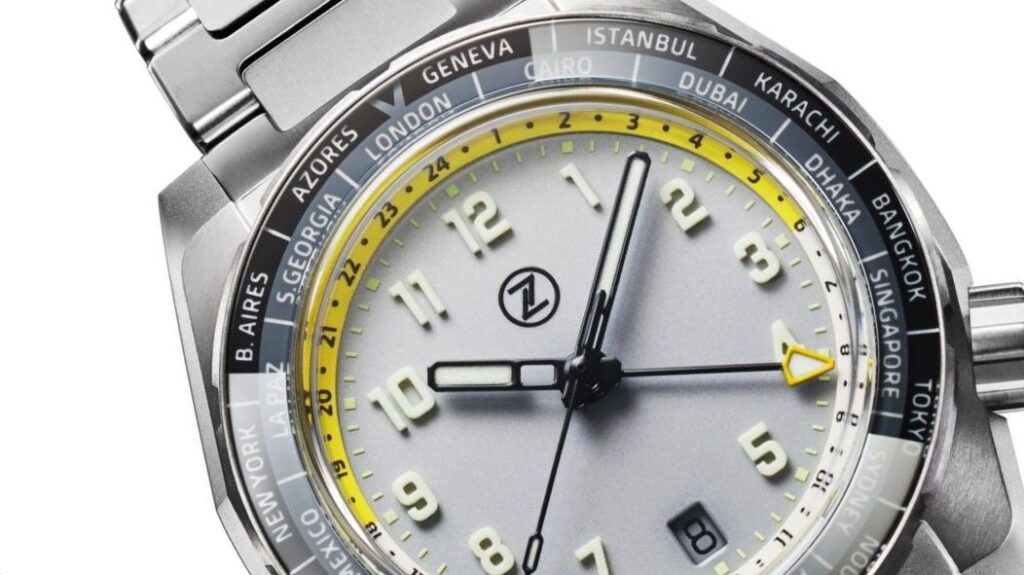
World timer watches are designed specifically for global travellers, international business professionals, and horological enthusiasts, prioritising tracking multiple time zones simultaneously, complex mechanical coordination, and sophisticated cosmopolitan styling. They typically feature an outer city ring representing the world’s 24 primary time zones alongside a rotating 24-hour ring, allowing the wearer to read the exact time anywhere on Earth at a single glance. Built to marry immense mechanical complexity with an elegant, travel-ready presentation, they combine advanced micro-engineering with a worldly, artistic aesthetic that often showcases intricate globe motifs or map engravings on the dial.
History
World timer watches developed alongside the golden age of commercial aviation, transcontinental rail travel, and global telecommunications, exploding in popularity during the mid-20th century as watchmakers raced to solve a brand-new problem: navigating a rapidly shrinking, interconnected world. Invented by master watchmaker Louis Cottier in the 1930s and famously adopted by elite houses like Patek Philippe, these timepieces introduced a revolutionary, integrated mechanical solution that bypassed the need to constantly reset a watch when crossing borders. By synchronising a rotating 24-hour scale with a list of major global cities, they elegantly condensed the entire planet’s daily cycle onto a single dial. While digital smartphones, world clock apps, and connected smartwatches have largely taken over basic multi-time-zone calculations today, the classic mechanical world timer remains a symbol of romantic horological engineering—prioritising global connectivity, intricate dial architecture, and an elite, jet-set utility that transitions seamlessly from international boardrooms to casual everyday wear.
Typical features
- Rotating 24-City Ring
- Concentric 24-Hour Ring
- World Map or Globe Motifs
- Single-Crown or Pusher Adjustment
- Mechanical Complexity over Minimalism
Frequent flyers, digital nomads managing international teams, and collectors who appreciate dial depth and sophisticated, travel-centric complications.
Examples
Military Watch
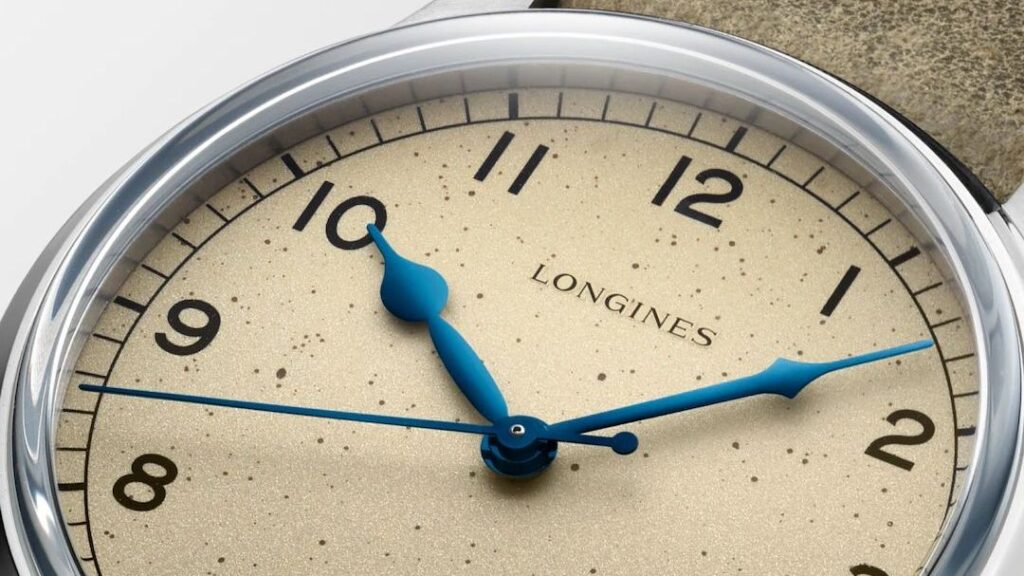
Military watches are designed specifically to withstand the brutal realities of combat and active field deployment, prioritising absolute reliability, uncompromising legibility, and stealth utility over ornamental luxury. They typically feature matte, anti-reflective cases, high-contrast field dials stripped of unnecessary branding, and hyper-durable straps designed to stay secured even under extreme duress. Built to function flawlessly as a piece of survival equipment, they combine strict, government-spec engineering with a rugged, utilitarian aesthetic that favors tactical readiness for everyday dependability.
History
Military watches developed alongside the changing landscape of 20th-century warfare, exploding in popularity during the First and Second World Wars as militaries transitioned from delicate pocket watches to synchronised, wrist-bound instruments critical for strategic operations. Engineered to survive trench warfare, deep-sea sabotage, and high-altitude bombing runs, these timepieces introduced strict standardisation parameters mandated by defence ministries: shatterproof crystals, highly luminous radioactive or tritium paint, and anti-magnetic, shock-resistant movements. While modern digital tactical computers, GPS units, and smart gear have largely taken over advanced battlefield synchronisation, the classic mechanical or quartz military watch remains a symbol of battle-proven endurance—prioritising no-fail timekeeping, stealthy execution, and a historic, form-follows-function utility that transitions seamlessly from active deployment to rugged everyday wear.
Typical features
- High-contrast, sterile dials
- Anti-reflective matte finishes
- Fixed lug bars or NATO straps.
- Advanced low-light visibility
- Emphasis on ruggedness over luxury
Outdoor enthusiasts, history buffs, and anyone seeking a minimalist, hyper-durable timepiece that values pure functional survival over fashion.
Examples